
Why Do You Need Home Security?
Protecting Your Family, Property, and Peace of Mind in Southern California
Your home is more than just a building. It is where your family gathers, where you keep your most valuable belongings, and where you should feel safe at any time of day. But even in a neighborhood that feels quiet and secure, unexpected situations can happen. A break-in, an attempted burglary, or an unnoticed security vulnerability can quickly turn your sense of comfort into concern. That is why investing in a reliable home security system is one of the most important steps you can take to protect your property and the people who matter most.
For homeowners throughout Orange County and Southern California, home security is about more than preventing intruders. Modern security systems can help you monitor your property remotely, receive alerts about unusual activity, and maintain greater control over your home's safety whether you are at work, running errands, or traveling. From established neighborhoods in Tustin to gated communities in Irvine and coastal properties in Newport Beach, every home has different security needs.
What Is Home Security, and How Does It Work?
Home security involves the technology, equipment, and protective measures used to help prevent unauthorized entry, detect potential threats, and alert homeowners when something requires attention. While traditional locks and exterior lighting remain important, modern residential security systems offer additional layers of protection that work together to help safeguard your property.
Depending on your home's layout and security requirements, a professionally designed system may include:
- Intrusion alarm systems: Detect unauthorized entry through monitored doors, windows, and other protected areas.
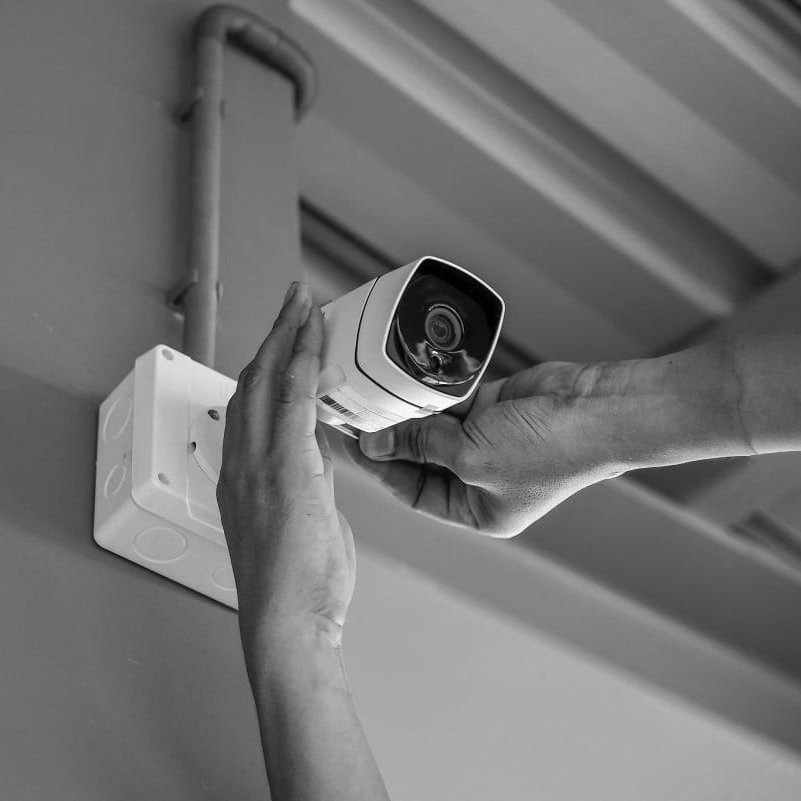
- Security camera systems: Provide visual monitoring of entryways, driveways, yards, and other important areas around your property.
- Motion detectors: Identify movement in designated areas and trigger alerts or alarms when configured to do so.
- Smart security technology: Allow you to monitor compatible devices, receive notifications, and manage selected security functions remotely.
- Access control systems: Help manage who can enter your home, gates, or designated areas of your property.
- Professional monitoring: Connect your alarm system to a monitoring service that can respond to qualifying alerts according to your service arrangement.
The most effective home security systems combine the right equipment with thoughtful placement, dependable installation, and a clear plan for responding to potential threats. Rather than relying on a single device, homeowners can create multiple layers of protection that address different vulnerabilities.
Why Do You Need Home Security?
Home security provides more than a way to lock your doors or record activity outside your house. It helps you take a proactive approach to protecting your family, property, and everyday routine. Here are some of the most important reasons to consider a professionally designed residential security system.
1. Help Deter Burglars and Unauthorized Entry
One of the primary reasons homeowners invest in security is to discourage burglary and unauthorized access. Visible security cameras, alarm system signage, properly secured entry points, and motion-activated lighting can make a property less appealing to someone looking for an easy opportunity. Although no security system can guarantee that a break-in will never occur, visible and properly configured security measures can help reduce opportunities for unauthorized entry. If someone attempts to enter a protected area, door and window sensors or motion detectors may trigger an alarm, depending on how the system is configured.
2. Protect Your Family and Loved Ones
Your family's safety is one of the most compelling reasons to invest in home security. A reliable system can help you detect potential threats, receive timely alerts, and make more informed decisions when something unusual happens.
For example, a monitored alarm system may notify the appropriate monitoring service when a qualifying alarm is triggered. Security cameras can help you check activity around your front door, driveway, or backyard, while compatible smart security devices can provide alerts when certain events occur. These features can be especially useful for households with children, older family members, or relatives who spend time at home alone. While technology cannot replace good safety practices, it can provide additional awareness and support a more prepared household.
3. Monitor Your Property When You Are Away
Whether you commute to work, take weekend trips, or leave town for an extended vacation, an empty home can create understandable concerns. Modern home security systems help you stay connected to your property even when you are miles away.
Depending on the equipment and services you choose, remote security features may allow you to:
- View live video from compatible security cameras.
- Receive notifications about detected motion or other configured events.
- Check the status of selected doors and windows.
- Arm or disarm compatible alarm systems remotely.
- Review recorded footage when investigating an incident.
For Southern California homeowners who travel frequently, these capabilities provide greater visibility into what is happening around their property. Instead of relying entirely on a neighbor to keep an eye on the house, you can use your security system to maintain awareness and respond when necessary. Remote access should be configured securely, with strong passwords, appropriate account permissions, and updated devices to help protect your system from unauthorized digital access.
4. Safeguard Valuable Belongings and Property
Your home may contain electronics, jewelry, important documents, collectibles, family heirlooms, and other belongings that would be difficult or impossible to replace. Home security helps protect these possessions by combining deterrence, detection, and monitoring. An alarm system can help identify unauthorized entry, while strategically placed cameras may provide useful footage of activity around your property. Smart locks and access control can also help you manage who is permitted to enter your home.
Security planning should extend beyond the front door. Garages, side entrances, detached structures, and accessible ground-floor windows can all present potential vulnerabilities. A comprehensive assessment helps ensure that important areas are not overlooked. By addressing these access points, homeowners can develop a more complete security strategy rather than concentrating protection on just one entrance.
5. Gain Greater Visibility With Security Cameras
Security cameras have become an important component of modern residential security. They help homeowners observe activity around their property and may provide valuable information when an incident occurs.
Depending on your needs, a residential video surveillance system can cover:
- Front doors and porch areas.
- Driveways and vehicle parking areas.
- Backyards, patios, and side gates.
- Garage entrances and detached buildings.
- Property boundaries and other vulnerable access points.
Many modern systems support remote viewing, recorded video playback, and event notifications through compatible devices. Some systems also offer features such as night vision or analytics that help identify specific types of activity.
However, camera placement matters. Cameras should be positioned to provide useful coverage while respecting neighbors' privacy and applicable laws. Video surveillance works best when integrated into a broader security plan that includes appropriate locks, lighting, and alarm protection. For homes in Irvine, Tustin, Newport Beach, and surrounding communities, Huntington Security Systems can help determine which areas would benefit most from professional video surveillance.
6. Improve Control Over Household Access
Not every security concern involves a break-in. Homeowners may also need to manage access for housekeepers, pet sitters, contractors, guests, or other authorized visitors.
Traditional keys can be difficult to track, particularly when multiple people need access to a property. Modern smart locks, keypads, and access control systems offer alternative ways to manage entry.
Depending on the system, you may be able to assign individual access codes, establish temporary credentials, or review certain access events. If someone's access is no longer needed, a digital credential may be easier to deactivate than collecting keys or changing locks. For properties with gated driveways, multiple entrances, or detached living spaces, integrated access control can provide additional convenience while supporting a more organized security strategy. The goal is to make your home easier to manage without sacrificing control over who can enter.
7. Support a Safer and More Convenient Daily Routine
A well-designed security system should work with your household's routine rather than create additional stress. Modern residential security technology can combine several functions into one coordinated solution, reducing the need to manage multiple disconnected devices.
For example, compatible systems may allow you to arm your alarm when leaving home, receive alerts about selected events, and check camera footage through a mobile application. Depending on the equipment, certain security functions may also integrate with smart home devices.
These capabilities can be especially useful for busy families who need straightforward ways to manage their property throughout the day. Professional installation also helps ensure that household members understand how to use the system correctly. With appropriate training and configuration, security technology can become a natural part of your daily routine.
What Types of Home Security Systems Should You Consider?
The right security solution depends on your home's size, layout, entry points, and the level of protection you want. Some homeowners need a straightforward alarm system, while others benefit from a coordinated combination of cameras, access control, and monitoring. Here are several common options to consider.
1. Home Alarm Systems
A residential alarm system is designed to detect specific security events, such as unauthorized entry through a protected door or window. Depending on the configuration, the system may use contact sensors, motion detectors, glass-break detectors, and a central control panel.
When a qualifying event occurs, the system can activate an audible alarm, send a notification, or communicate with a monitoring service if one is included. Alarm systems are a practical starting point for homeowners who want to detect potential intrusions and establish a clear response process. Professional assessment helps determine the appropriate sensors, placement, and configuration for the property.
2. Residential Video Surveillance
Security cameras provide visual awareness of activity around your home. They can be particularly valuable for monitoring driveways, exterior entrances, yards, and other areas where you want additional visibility.
When choosing a camera system, consider image quality, nighttime performance, recording options, remote access, storage requirements, and network security. A professional installation can help eliminate coverage gaps, improve camera positioning, and ensure that the system meets your monitoring needs.
3. Smart Home Security Systems
Smart security technology allows homeowners to manage compatible devices through a mobile application or connected control system. Depending on the equipment, this may include remote alarm management, camera viewing, door-status notifications, and selected automation features.
Smart technology is especially useful for homeowners who want more visibility and flexibility while away from home. However, it is important to select compatible equipment and secure the network and user accounts supporting the system. A professional security provider can help determine which connected features are useful and how they can work with your existing equipment.
4. Access Control and Smart Locks
Access control systems help homeowners manage entry to doors, gates, and designated areas. Options may include electronic keypads, smart locks, credential-based entry, and video intercom systems. These solutions can be particularly useful for properties with frequent visitors, multiple household members, or gated entrances. They can also complement alarm systems and surveillance cameras to provide a more coordinated approach to residential protection.
5. Professionally Monitored Security Systems
A professionally monitored alarm system communicates qualifying alarm events to a monitoring service that follows established response procedures. Depending on the event, service arrangement, and local requirements, the monitoring service may attempt to contact designated individuals or request emergency assistance.
Professional monitoring can be valuable for homeowners who want an additional layer of response support, particularly when they are asleep, away from home, or unable to check an alert immediately. When evaluating monitoring options, ask about service availability, communication methods, backup power, cellular connectivity, response procedures, and any applicable fees.
How Do You Know Which Home Security System Is Right for You?
Choosing a home security system should begin with an assessment of your property's specific needs. The most expensive system is not necessarily the best one, and adding more devices does not automatically guarantee better protection. Before selecting a solution, consider the following factors.
- Property layout: Identify every exterior door, accessible window, garage entrance, gate, and detached structure that may require protection.
- Household routine: Consider who lives in your home, when the property is typically occupied, and whether family members need different access permissions.
- Security priorities: Determine whether your primary concerns involve intrusion detection, video surveillance, remote monitoring, controlled access, or a combination of these features.
- Remote access: Decide whether you want to monitor cameras, receive alerts, or manage compatible devices while away from home.
- Monitoring requirements: Evaluate whether professional alarm monitoring would provide meaningful additional support for your household.
- System integration: Look for compatible solutions that can coordinate alarms, cameras, access control, and other security devices where appropriate.
- Reliability and maintenance: Ask about backup power, communication failures, software updates, testing, and ongoing support.
- Future flexibility: Consider whether the system can accommodate additional cameras, sensors, entrances, or other equipment as your needs change.
A professional consultation can help prioritize these factors and avoid investing in equipment that does not address your actual security concerns.