Commercial Security Systems
Commercial Access Control Systems
Control Who Has Access to Your Building
Managing who can enter your commercial property is essential to protecting your employees, visitors, equipment, sensitive information, and facilities. Huntington Security Systems provides commercial access control solutions that give businesses greater control over who can enter their buildings, which areas they can access, and when they can enter.
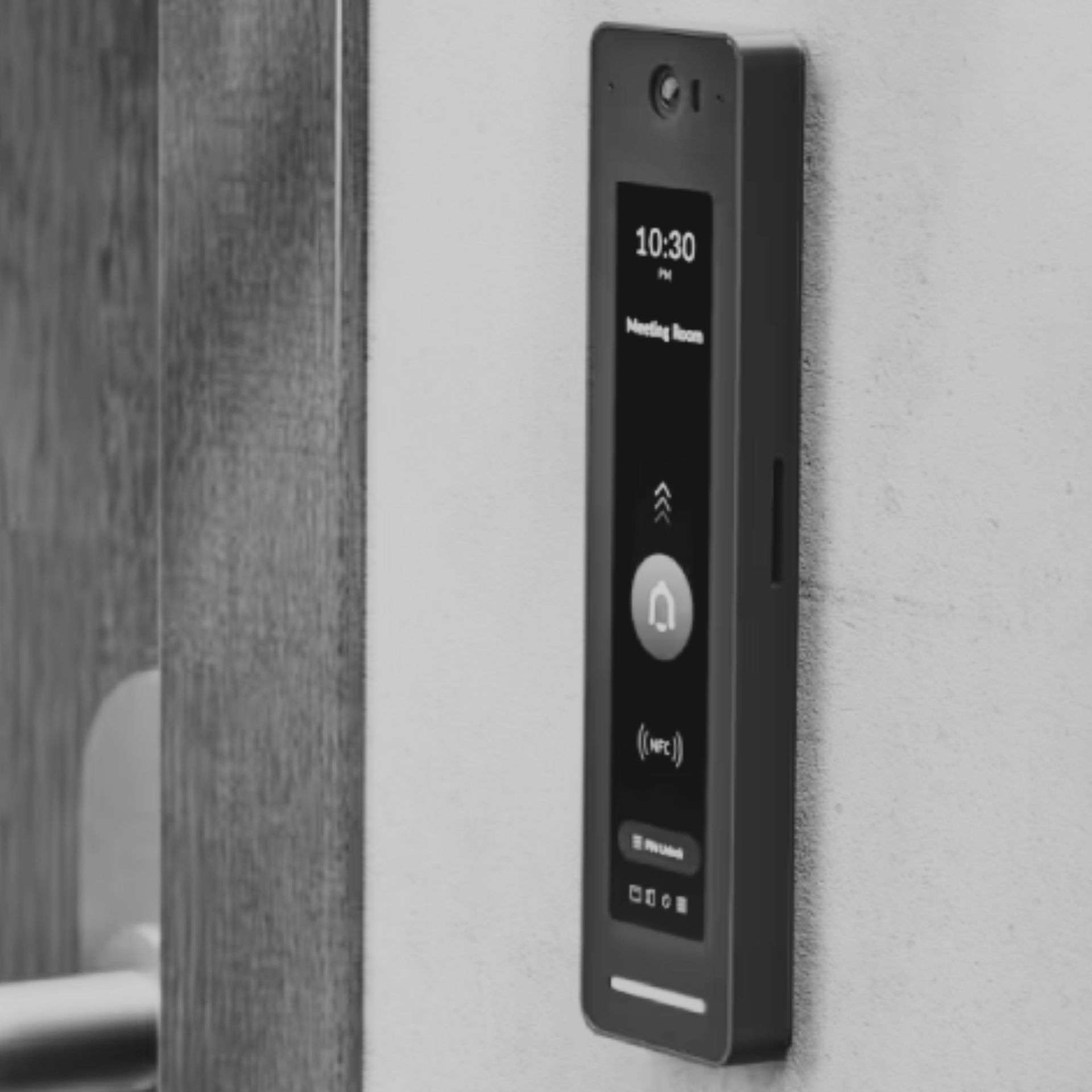
Modern access control systems go beyond traditional locks and keys by using electronic credentials such as key cards, badges, mobile credentials, and other identification methods to control entry. Businesses can assign access based on an employee's role, restrict entry to sensitive areas, and track access activity.
Whether you need to control access to a single office entrance or manage multiple doors and restricted areas throughout a commercial facility, Huntington Security Systems can provide an access control system tailored to how your building operates.
More Than Just a Locked Door
Traditional keys provide a basic way to secure a door, but they can become difficult to manage as an organization grows. Employees may need different access levels, credentials may need to be revoked, and certain areas may need to be accessible only during specific hours. An electronic access control system allows businesses to manage these permissions digitally. Rather than giving every employee the same key, administrators can assign access based on an individual's role, schedule, or authorized areas. This can be especially useful for commercial buildings with:
- Multiple entrances and exits
- Employee-only areas
- Restricted offices or rooms
- Server and equipment rooms
- Storage areas
- Parking garages or gates
- Multiple floors or departments
- Frequent employee turnover
- Contractors, vendors, or temporary visitors
The right system can make access easier for authorized users while giving building managers greater control over the property.
Key Card & Badge Access
Key card access and employee badges provide a straightforward way to manage entry throughout a commercial building. You can assign each credential to a specific person and program it for the areas they are authorized to enter. A badge reader or door card reader verifies the credential when someone approaches a controlled door. Depending on the system, employees may have access to common areas and their designated workspaces, while managers or other authorized personnel can access more restricted locations.
Individual credentials also make personnel changes easier to manage. When an employee joins the organization, their credential can be activated with the appropriate permissions. If their role changes or they leave the company, you can modify or deactivate their access without distributing new keys or replacing locks.
For businesses with multiple employees, departments, or restricted areas, a key card system provides a structured way to manage who can enter specific parts of the building.
Keyless & Electronic Door Access
Commercial buildings can also use keyless entry systems to provide access without traditional physical keys or, in some cases, physical cards. Depending on the system, users may authenticate through a mobile device, PIN, biometric credential, or other electronic method. Electronic door access can offer additional flexibility for organizations that need to manage different user types or frequently update access permissions. For example, a business may provide employees with mobile credentials while issuing a contractor temporary access for a defined period.
The technology can also support access policies based on schedules, locations, or user permissions. This allows a business to establish different entry requirements for normal business hours, after-hours access, or restricted areas. Huntington Security Systems can help businesses evaluate the available credential technologies and determine which approach fits their building, users, and operational requirements.
Access Control for Different Areas of a Commercial Building
Not every door needs the same level of security. A commercial building may have public entrances that need convenient access during business hours, while other areas require significantly tighter restrictions. An access control system can be configured around these differences.
For example, a business might use controlled access for:
- Main Entrances: Allow employees to enter using authorized credentials while limiting access outside normal business hours.
- Employee Areas: Restrict access to offices, employee spaces, or other areas that aren't intended for visitors.
- Sensitive Rooms: Apply additional restrictions to server rooms, records rooms, equipment areas, or other spaces containing sensitive assets or information.
- Executive or Restricted Areas: Limit entry to designated personnel based on role or authorization.
- Multiple Floors or Departments: Give employees access to the areas they need without automatically providing access throughout the entire building.
This allows businesses to create access policies that reflect how their facility is actually used.
Managing Employee & Visitor Access
One advantage of modern access control is the ability to manage credentials as an employee's role changes. A new employee can be assigned the appropriate access when they start. If their responsibilities change, you can update their permissions. When someone leaves the organization, you can quickly and efficiently deactivate their credentials. Access control can also accommodate contractors, vendors, temporary employees, and visitors. Depending on the system, you can create temporary credentials with specific access permissions or expiration periods. This provides a more manageable alternative to distributing physical keys, which can be difficult to track or recover.
Access Records & Building Visibility
Access control isn't only about keeping unauthorized people out. Many systems can also show when credentials are used at controlled doors. Access records can help businesses understand when a particular credential was used and which controlled entry point was accessed. This information may be useful when reviewing building activity or investigating an incident. The level of reporting and information available depends on the access control platform and configuration selected for the property.
Integrating Access Control With Your Security System
Access control can operate as part of a broader commercial security environment. Depending on the technology and system architecture, it can be integrated with other security solutions, including video surveillance and monitoring. For example, when an employee uses a credential at a controlled entrance, an integrated system may allow authorized personnel to associate that access event with video from the corresponding area. This integration can give businesses a more complete view of activity across a property, rather than managing access control and security cameras as separate systems. As a systems integration company, we help businesses consider how access control fits within their broader security infrastructure.
Access Control Installation
An access control system must work with the physical door hardware, locking mechanism, credential technology, power, network infrastructure, and software used to manage access. During installation, the appropriate equipment and configuration will depend on factors such as:
- Type and number of doors
- Existing door hardware
- Building layout
- Number of employees and users
- Required access levels
- Network infrastructure
- Credential technology
- Integration requirements
- Future expansion plans
Huntington Security Systems can help businesses determine the right approach for new installations and upgrades to existing systems.
Upgrading an Existing Access Control System
Businesses don't necessarily need to start from scratch when their access requirements change. You can sometimes upgrade existing access control systems with newer readers, credentials, software, networking equipment, or additional controlled doors. Evaluating the existing system can help determine which components can remain in use and where upgrades can add functionality. This can be particularly useful for older commercial buildings where access control technology has been installed over time and no longer provides the flexibility or management capabilities the business requires.
Access Control for Growing Businesses
As a company adds employees, expands its facility, or moves into additional locations, managing physical access can become increasingly complicated. A properly configured commercial access control system can provide a framework for managing users and permissions as the organization changes. Depending on the system's capabilities, you can add doors, modify access levels, and issue new credentials as needed. For businesses with multiple properties, access control can also fit into a broader security strategy that provides consistent policies and technology across locations.
Access Designed Around Your Building
Every commercial property has different access requirements. The number of doors, user types, restricted areas, operating hours, and existing infrastructure all play a role in determining the right solution. Our team at Huntington Security Systems can help you evaluate those requirements and identify an access control approach that provides convenient entry for authorized users while giving your organization greater control over its building.
From door access control and key card systems to electronic credentials and integrated commercial security solutions, we provide the technology and expertise to help businesses manage access today and adapt as their needs change. Contact us to discuss your commercial access control needs and explore the right solution for your building.
What is a commercial access control system?
A commercial access control system is an electronic security solution that manages who can enter specific doors or areas of a building. Depending on the system, users may enter with key cards, badges, mobile credentials, PINs, biometrics, or other authorized credentials.
What is the difference between key card access and traditional keys?
Traditional keys provide physical access to a lock, while key card access allows businesses to assign individual electronic credentials and manage permissions through the access control system. If an employee's access needs to change, you can typically update or turn off their credential without replacing the physical lock.
Can an access control system control multiple doors?
Yes. Access control systems can be configured to manage multiple controlled doors throughout a commercial building. Different users can be given access to different doors or areas based on their role and authorization.
Can I give temporary access to contractors or visitors?
Many modern systems can support temporary or limited credentials, depending on the platform. Businesses may be able to establish specific permissions or expiration periods for contractors, vendors, visitors, and other temporary users.
Can access control work with security cameras?
Yes. Depending on the systems used, access control can integrate with video surveillance. This lets businesses link access events to corresponding camera footage and get a more complete view of activity at controlled entrances.