
Where Should I Install Security Cameras Around My Home?
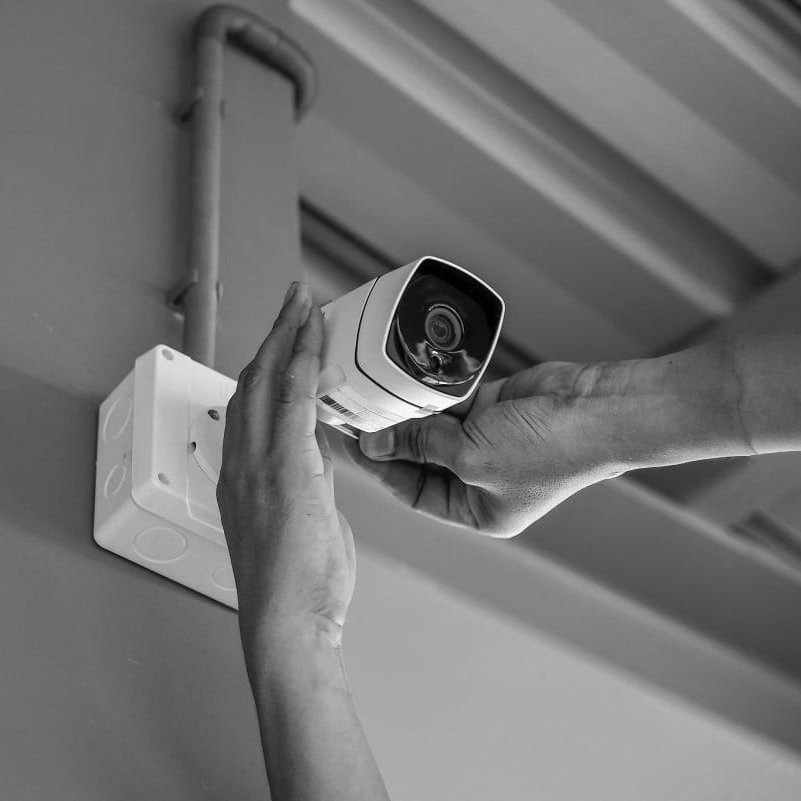
A Smarter Approach to Residential Camera Placement in Orange County
A home security camera system can help you keep an eye on your property, monitor activity around entry points, and gain a clearer picture of what happens when you are away. However, installing cameras in the wrong locations can leave important areas unmonitored while creating unnecessary overlap between devices. The goal is not simply to install as many cameras as possible. It is to identify the areas where monitoring provides the greatest practical value.
For homeowners throughout Orange County, California, the right camera placement depends on the property's layout, the number of entrances, landscaping, lighting conditions, and potential blind spots. A home with a long driveway may need a different setup than a townhome with a small front entrance or a larger property with multiple outdoor living areas.
Which Areas of Your Home Should Have Security Cameras First?
When planning a residential surveillance system, begin with the areas where people are most likely to approach, enter, or move around your property. These locations help you build a strong foundation before adding cameras to secondary areas.
1. Front Door and Main Entrance
Your front entrance is one of the most useful places to install a security camera. It provides a view of visitors, deliveries, and activity near the main door. Depending on the camera's position and capabilities, it may also capture useful details about people approaching your home. Positioning matters. A camera mounted too high may capture the tops of people's heads rather than clear facial details. A camera pointed directly toward bright sunlight may also struggle to produce useful images at certain times of day.
For many Orange County homes, a camera covering the front door or porch is a sensible starting point. A video doorbell may be enough for some properties, while a separate camera may help when the entrance is set back from the street or has a wider approach.
2. Driveway and Garage
Driveways and garages deserve careful attention because they often provide access to vehicles, tools, bicycles, and other valuable belongings. A camera positioned to monitor the driveway can help you observe arriving vehicles and activity near the garage entrance. If your driveway is long, one camera may not capture the entire area clearly. You may need to consider separate views for the driveway entrance and the garage itself.
For homes with automated garage doors, camera coverage can also complement a smart garage controller or access control system. These technologies serve different purposes: cameras monitor activity, while compatible access devices manage entry. Together, they can support a more coordinated security plan.
3. Backyard and Patio
Backyards can have several access points that are less visible from the street. Patio doors, sliding glass doors, garden gates, and paths leading to detached structures may all deserve consideration. A camera covering the backyard can help monitor movement near these areas, especially when fences, shrubs, or outdoor structures create blind spots. For properties with pools or outdoor entertaining spaces, camera placement should be planned carefully to provide useful coverage without unnecessarily recording private activities.
Choose locations that offer a clear view of the approaches to the house while respecting the privacy of family members, guests, and neighboring properties.
4. Side Yards and Secondary Entrances
Side yards are easy to overlook during security planning. Narrow passages between a house and a fence, side doors, and gates leading to the backyard may provide routes that are not visible from the front entrance. A camera in one of these locations can help fill a gap in coverage. This is particularly useful when the property has several exterior doors or when landscaping and fencing block the view from other cameras.
Rather than assuming every side yard needs its own device, assess whether an existing camera can cover the area effectively. If not, a dedicated camera may be worth considering.
5. Detached Buildings and Other Vulnerable Areas
Some properties include detached garages, workshops, guesthouses, storage sheds, or home offices. These structures may contain equipment or belongings that are worth protecting. Camera placement should account for how people approach these buildings, where entrances are located, and whether lighting is adequate at night. Depending on the distance from the main house, you may also need to evaluate wireless connectivity, power availability, and the best way to store recordings.
Should You Install Security Cameras Indoors or Outdoors?
The answer depends on what you want to monitor and the level of coverage your property needs. Outdoor cameras are commonly used to observe entrances, driveways, walkways, and other exterior areas. Indoor cameras may help monitor selected interior spaces, such as a main entry hallway or a common area, when there is a clear reason to do so.
Outdoor cameras should be designed for the environmental conditions where they will be installed. Depending on the location, this may include exposure to rain, dust, direct sunlight, and temperature changes.
Indoor cameras offer a different set of considerations. Before installing them, think about household privacy, who can access recorded footage, and whether continuous recording is necessary. Cameras should not be placed in private spaces such as bathrooms or bedrooms used by others without appropriate legal authority and consent.
For many homeowners, strategically placed exterior cameras provide a useful starting point. Indoor monitoring can then be considered based on specific needs, household preferences, and privacy expectations.
How Many Security Cameras Does a Home Need?
There is no universal number of cameras that works for every home. The right quantity depends on the size of the property, the number of entry points, the distance between buildings, and the coverage each camera can realistically provide. A smaller property with one main entrance and a single garage may need fewer cameras than a home with a long driveway, multiple gates, and detached structures.
When planning a system, consider these questions:
- How many exterior doors and gates provide access to the property?
- Can each camera capture useful details at its intended viewing distance?
- Are there blind spots behind fences, landscaping, or outbuildings?
- Does the property need nighttime monitoring?
- Would overlapping views help cover important entrances?
- Do you need to monitor activity remotely while away from home?
Camera specifications matter as much as camera count. A device with a wide field of view may cover a large area but show less detail on distant subjects. A narrower view may capture more detail in a specific location but leave surrounding areas outside the frame.
What Should You Consider Before Installing Home Security Cameras?
Before selecting equipment, evaluate the conditions that may affect camera performance. Even a high-quality camera may provide disappointing results if it is positioned incorrectly or installed without considering lighting and connectivity.
- Lighting and nighttime visibility: Check how the area looks during daylight and after dark. Headlights, bright outdoor lights, shadows, and reflective surfaces can affect image quality.
- Camera height and viewing angle: Choose a position that captures the area you want to monitor without unnecessarily obstructing the view or making important details difficult to see.
- Power and connectivity: Determine whether the location supports wired power, network cabling, or a suitable wireless connection. Long distances and obstructions may affect performance.
- Recording and storage: Decide whether you need continuous recording, motion-triggered clips, remote viewing, or a particular retention period. Available features depend on the equipment and service configuration.
- Privacy and property boundaries: Aim cameras at your own property and avoid unnecessarily capturing neighboring homes or private areas. California privacy laws may apply depending on how you record, especially when audio is involved.
- System integration: Consider whether your cameras should work with an existing alarm system, video doorbell, access control platform, or other security equipment.
Thinking through these details before installation can help prevent coverage gaps and unnecessary upgrades later.
Why Professional Security Camera Installation Makes a Difference
A do-it-yourself camera may be suitable for a simple monitoring need, but a larger property can present challenges that are not immediately obvious. A camera might have a clear view during the day but struggle at night, lose connectivity, or fail to capture useful details because it is mounted at the wrong angle.
Professional planning considers the entire property rather than treating every camera as an isolated device. This can help establish appropriate mounting locations, identify blind spots, evaluate network and power requirements, and coordinate cameras with other security technologies.