
What Happens When a Commercial Security Camera Detects Activity?
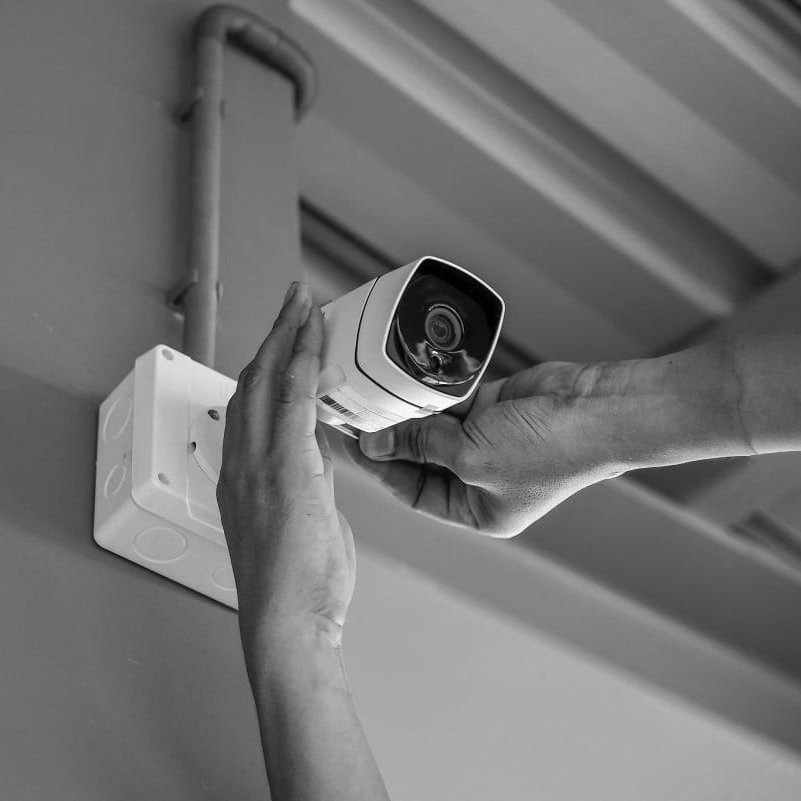
How Do Commercial Security Cameras Detect Activity?
Most commercial security cameras use motion detection or video analytics to identify activity within their field of view. When the camera detects movement or a specific event that meets its configured settings, it can trigger a designated response. Traditional motion detection generally works by identifying changes between consecutive video frames. When enough change occurs within a monitored area, the system recognizes that movement may be taking place. For example, if someone walks through the entrance of a commercial building, the camera may detect changes in the video image and trigger a motion event.
More advanced commercial security cameras use intelligent video analytics to identify specific types of activity. Depending on the camera's capabilities, these systems may distinguish between people, vehicles, and other moving objects. This distinction can help reduce unnecessary notifications and allow businesses to focus on activity that is more relevant to their security requirements. Activity detection can be configured around specific areas, schedules, and event types. This allows businesses to customize how their cameras respond to movement throughout the property.
What Happens Immediately After a Security Camera Detects Motion?
When a commercial security camera detects activity, several things may happen depending on how the surveillance system is configured. The process typically begins when the camera identifies movement or an event that meets its detection criteria. The camera or connected recording platform then triggers the appropriate response.
Common responses include:
- Starting or marking a video recording.
- Sending an alert to an authorized user.
- Triggering an event notification within surveillance software.
- Saving a recording for later review.
- Activating compatible security equipment.
- Highlighting activity within a monitoring dashboard.
Not every camera performs all these functions automatically. Some systems record continuously and simply mark motion events, while others begin recording when movement is detected. The specific response depends on the camera's features, recording configuration, connected equipment, and management software. For commercial businesses, configuring these responses correctly is important. The goal is to ensure that important activity is captured without creating unnecessary alerts or excessive recording demands.
Do Security Cameras Automatically Start Recording When They Detect Movement?
Many commercial security cameras support motion-triggered recording, but not all surveillance systems operate this way. Some businesses use continuous recording, meaning cameras record footage throughout the day regardless of whether movement is detected. Other systems use event-based recording, which saves footage when the camera identifies activity. There are also hybrid configurations that combine continuous recording with motion detection. In these systems, the camera records continuously while marking important events to make reviewing footage easier.
Motion-triggered recording can help businesses manage storage capacity, particularly when cameras monitor areas that remain inactive for extended periods. For example, a storage facility may experience little activity overnight. Motion-based recording can help identify periods when movement occurs, making it easier to locate relevant footage. However, businesses should consider their security requirements before choosing an event-only recording configuration. Continuous recording may be more appropriate for areas where maintaining a complete video record is important.
Can Commercial Security Cameras Tell the Difference Between People and Vehicles?
Modern commercial surveillance technology can offer more advanced detection capabilities than basic motion sensing. Depending on the equipment, intelligent video analytics can classify certain objects as people, vehicles, or other categories of movement. This is particularly useful for commercial properties with different areas requiring different types of monitoring.
For example, a warehouse may want to receive notifications when a vehicle approaches a loading dock but may not need an alert every time an employee walks through an interior hallway. Similarly, an office building may prioritize activity around employee entrances, restricted rooms, and exterior access points.
Some advanced camera systems may support additional analytics, including:
- Person detection.
- Vehicle detection.
- Line-crossing detection.
- Intrusion detection within designated areas.
- Loitering detection.
- Object removal or abandoned-object detection.
- License plate recognition through compatible specialized equipment.
These capabilities vary between manufacturers and models. Businesses should evaluate the actual analytics supported by their selected cameras rather than assuming every IP camera includes advanced detection features.
What Is the Difference Between Motion Detection and AI Security Camera Detection?
Although the terms are sometimes used interchangeably, traditional motion detection and AI-based video analytics operate differently. Traditional motion detection identifies changes in the camera's image. This can be useful, but it may also generate false alerts when something other than a security-relevant event causes movement. For example, heavy rain, tree branches, changing shadows, headlights, or passing animals may trigger motion detection.
AI-enabled security cameras use more advanced image analysis to recognize certain objects and patterns. Instead of responding to every visual change, compatible cameras may be able to identify whether movement involves a person or vehicle. This can help businesses create more targeted monitoring rules.
Consider a commercial parking lot. A basic motion detection system may generate alerts whenever vehicles pass through the camera's field of view. An advanced system may allow administrators to configure notifications based on specific vehicle-related events or activity within designated areas. AI-based analytics are not perfect and should not be treated as a guarantee that every event will be correctly identified. Camera placement, lighting, image quality, and system configuration all influence detection performance. However, when properly implemented, intelligent video analytics can make commercial surveillance more useful and efficient.
Can Security Cameras Send Alerts When They Detect Activity?
Yes. Many modern commercial surveillance systems can send notifications when a camera detects configured activity. Depending on the equipment, alerts may be delivered through a mobile application, email, monitoring platform, or another supported notification method. For example, a business owner may configure a camera to generate an alert when someone enters a designated restricted area outside normal operating hours.
A warehouse manager may receive a notification when activity is detected near a loading dock during a period when deliveries are not scheduled. These alerts can help authorized personnel become aware of activity without constantly watching live camera feeds. However, notification features require appropriate configuration. Users may need to establish detection zones, select event types, configure schedules, and enable notification permissions.
Network connectivity is also important. If the camera or monitoring platform cannot communicate with the notification service, alerts may be delayed or unavailable. Businesses should also consider who receives notifications and how frequently alerts are generated. Too many unnecessary notifications can make important events easier to overlook.