
Should I Run Ethernet Through My House?
Why Ethernet Is Still Important in a Wireless World
WiFi has made connecting devices easier than ever, but wireless technology has limitations. Signals can weaken as they travel through walls, floors, ceilings, and other building materials. Interference from neighboring networks and electronic equipment can also affect connection quality, particularly in densely populated areas.
Ethernet provides a direct wired connection between devices and network equipment. Instead of transmitting data through the air, information travels through physical network cables. This creates a more consistent connection that is less vulnerable to wireless interference. For devices that require dependable connectivity, Ethernet can be a better choice. Desktop computers, network storage equipment, smart televisions, security cameras, and other stationary devices can benefit from a wired connection.
Even in properties with excellent WiFi coverage, Ethernet can improve the overall network experience by moving high-demand devices onto wired connections. This can also reduce the amount of wireless traffic competing for available bandwidth. The goal is not necessarily to eliminate WiFi. Rather, combining wired Ethernet with strategically positioned wireless access points can create a more balanced and reliable network.
The Biggest Benefits of Running Ethernet Through Your Property
Installing Ethernet cabling requires some planning, but the long-term advantages can make it a worthwhile investment. A properly installed wired network provides a dependable foundation for current technology while making it easier to accommodate future upgrades.
- More consistent connectivity: Ethernet connections are not affected by the same wireless signal fluctuations that can occur with WiFi. This makes them particularly useful for devices that need continuous network access.
- Improved network performance: Depending on the cable category, connected equipment, and network hardware, Ethernet can support high-speed data transmission with predictable performance.
- Reduced wireless congestion: Connecting stationary devices through Ethernet can free up wireless capacity for smartphones, tablets, laptops, and other mobile equipment.
- Lower latency: Wired connections generally provide more consistent and predictable latency, which can be beneficial for video conferencing, online applications, and other real-time services.
- Better support for security equipment: Network-connected cameras, recording devices, and other security components can benefit from stable wired connections.
- Future flexibility: Installing structured cabling during construction or renovation can make future technology upgrades easier and reduce the need for additional wiring work.
For businesses, these benefits become even more important when network performance affects daily operations and security systems.
Should Security Cameras Be Connected Through Ethernet?
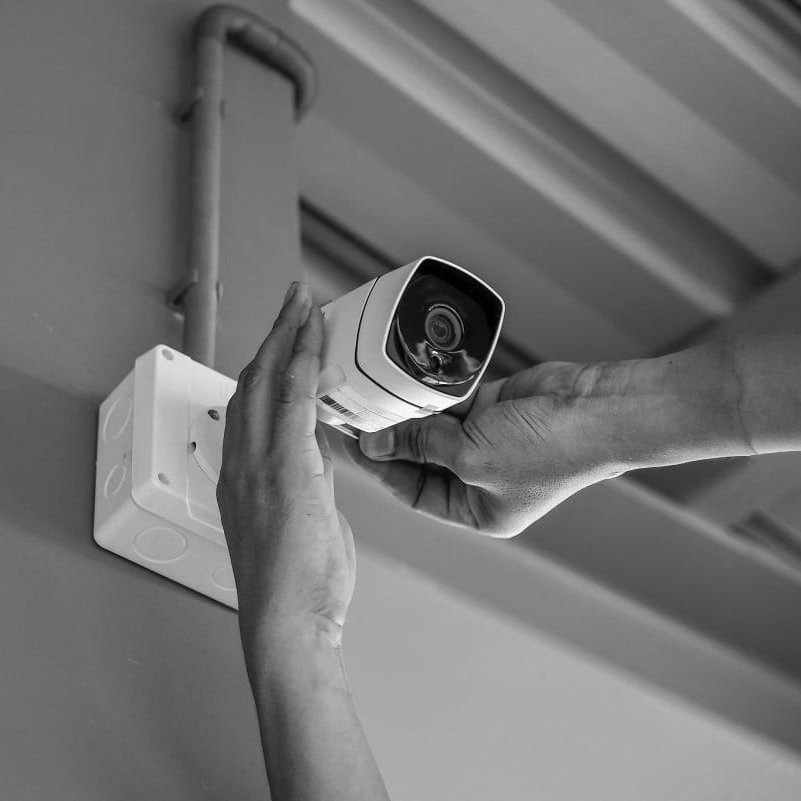
One of the strongest reasons to consider running Ethernet throughout a property is the ability to support modern security camera systems. Network-connected cameras are widely used in commercial buildings, offices, warehouses, retail environments, and industrial facilities. Although some security cameras operate over WiFi, wired IP cameras offer several advantages. A direct Ethernet connection can provide consistent communication with network video recorders, video management platforms, and other connected equipment.
This is particularly important for high-resolution cameras that transmit large amounts of video data. When several cameras operate simultaneously, wireless networks can experience congestion or interference. A properly designed wired network can help provide more predictable performance.
Another important technology is Power over Ethernet (PoE). PoE allows compatible network cables to carry both electrical power and data to supported devices. This can simplify installations by reducing the need for separate power connections at every camera location. PoE technology is also used with wireless access points, intercom systems, and other compatible network devices.
What Type of Ethernet Cable Should You Install?
Choosing the correct Ethernet cable is an important part of planning a wired network. Different cable categories offer different performance capabilities, and the right option depends on the property's current and future requirements.
Some of the most commonly used Ethernet cable categories include:
- Cat5e: Supports Gigabit Ethernet over standard Ethernet channel distances and remains suitable for many basic networking applications.
- Cat6: Supports Gigabit Ethernet and can support higher speeds over shorter distances, making it a popular option for residential and commercial installations.
- Cat6a: Supports 10 Gigabit Ethernet over standard channel distances and offers additional performance headroom for demanding network environments.
- Cat8: Designed for specialized, high-speed applications, primarily in data center environments. It is generally unnecessary for ordinary residential installations.
For many properties, Cat6 or Cat6a provides a practical balance between performance, cost, and long-term flexibility. It is also important to consider cable quality and installation conditions. Cables should be selected according to the environment in which they will be installed, including whether they need to run through walls, ceilings, air-handling spaces, or other areas with specific fire-rating requirements. Using appropriately rated cable and following applicable electrical and building codes helps ensure that the installation is safe and dependable.
Where Should You Run Ethernet Cables?
The best Ethernet installation begins by identifying which rooms and devices will benefit most from wired connectivity. Rather than installing cables without a plan, consider how the property is currently used and where technology may be needed in the future. In residential environments, common locations include home offices, entertainment areas, bedrooms, network equipment locations, and ceiling positions intended for wireless access points. For commercial properties, Ethernet may be needed throughout offices, conference rooms, security equipment locations, reception areas, warehouses, and equipment rooms.
Some particularly useful Ethernet locations include:
- Home offices and workspaces: Wired connections can provide more consistent performance for computers, video conferencing, and business applications.
- Entertainment areas: Smart televisions, gaming consoles, and streaming equipment can benefit from stable network connectivity.
- Security camera locations: Ethernet can support compatible IP cameras and PoE-powered surveillance equipment.
- Ceiling access point locations: Running Ethernet to strategic ceiling positions makes it easier to install wireless access points and improve WiFi coverage.
- Central network equipment areas: A dedicated location for network switches, routers, patch panels, and related equipment can make the entire system easier to organize and maintain.
Planning these locations before construction or renovation can save time and money. Even if certain connections are not needed immediately, installing additional cabling during an accessible construction phase can provide valuable flexibility later.
Can You Have Both Ethernet and WiFi?
Absolutely. In fact, combining Ethernet and WiFi is often the best approach for a modern network. Ethernet is ideal for stationary devices that require consistent connectivity, while WiFi provides convenient access for mobile equipment. A properly designed network uses each technology where it makes the most sense.
For example, a commercial office might use Ethernet for desktop computers, network printers, security cameras, and wireless access points. Employees could then connect their laptops, tablets, and smartphones through the wireless network. This arrangement helps distribute network traffic more efficiently while providing flexibility throughout the property.
Wireless access points connected through Ethernet are particularly valuable. Instead of relying on WiFi extenders to repeat an existing wireless signal, access points can receive a wired network connection and provide wireless coverage to nearby devices. This approach can improve coverage and reliability across larger properties with multiple rooms or floors.
For commercial enterprises, combining wired connections with strategically positioned wireless access points can provide a stronger foundation for security equipment and everyday business technology.
Why Professional Ethernet Installation Matters
Running Ethernet cables may appear straightforward, but professional installation involves more than simply connecting one end of a cable to a router and the other to a device. Cables must be routed appropriately, terminated correctly, tested, and organized to support reliable performance. Improper installation can result in damaged cables, connection failures, interference issues, or difficulties identifying network problems later.
Cable management is another important consideration. Commercial properties with multiple network connections benefit from organized patch panels, clearly labeled connections, properly selected network switches, and a logical wiring layout.
A professional installation should also account for future expansion. Businesses may eventually add more cameras, wireless access points, computers, access control equipment, or other connected devices. Planning additional capacity can help avoid costly infrastructure changes.
Ethernet and the Future of Commercial Security Systems
As commercial security technology continues to evolve, reliable network infrastructure becomes increasingly important. Modern facilities use interconnected systems to manage surveillance, access control, monitoring, and other essential security functions. Many of these technologies depend on network connectivity to communicate effectively. For example, IP surveillance cameras transmit video through network connections, while compatible access control equipment may communicate with centralized management systems.
Businesses that rely heavily on connected technology should consider structured Ethernet cabling as an important part of their security planning. A properly designed network can make it easier to introduce new equipment, expand surveillance coverage, and support additional connected devices as business requirements change.
It can also simplify troubleshooting and maintenance by providing a more organized network infrastructure. Huntington Security Systems is dedicated to delivering exceptional security solutions that safeguard commercial enterprise systems across the United States. We understand that dependable equipment, thoughtful system planning, and comprehensive maintenance all contribute to a stronger security environment.