
Can Electronic Door and Gate Access Work With Home Security Cameras?
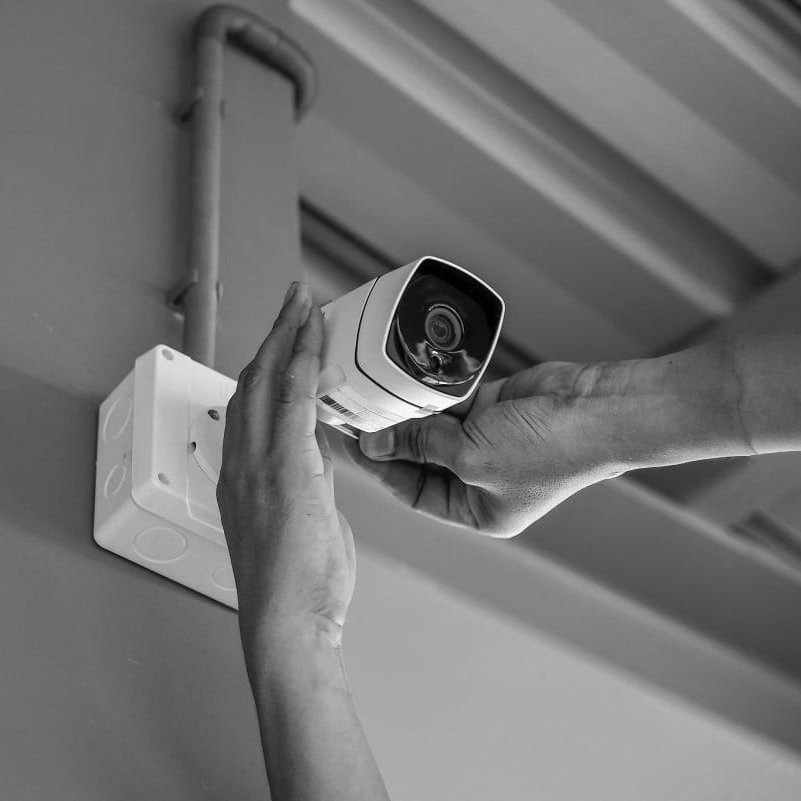
Understanding Electronic Door and Gate Access Control Systems
Electronic access control systems allow property owners and authorized personnel to manage who can enter a building, restricted area, or secured property. Unlike traditional locks and keys, these systems use electronic credentials and controlled mechanisms to grant or deny access. Depending on the equipment, users may gain entry through keycards, access codes, mobile credentials, biometric readers, or other approved authentication methods.
Electronic access control is widely used in commercial offices, warehouses, industrial facilities, apartment communities, healthcare environments, and other properties where managing entry is important.
Automated gate access systems provide similar functionality for vehicle and pedestrian entrances. These systems can use keypads, credential readers, remote controls, or other technologies to authorize entry through a secured gate. When integrated with security cameras, access control systems can provide additional visibility into activity at important entry points. This allows businesses to connect access events with video footage and improve their ability to review security incidents.
How Security Cameras Work With Electronic Access Control
Security cameras and electronic access control systems perform different functions, but they can complement each other effectively. An access control system determines whether a person or credential is authorized to enter a secured area. A security camera provides visual information about activity taking place around that entrance. When these technologies are integrated through compatible equipment and software, businesses may be able to associate access events with corresponding video footage.
For example, when an employee uses an access card to enter an office building, the access control system records the credential event. An integrated surveillance platform may then allow an authorized administrator to review the camera footage associated with that entrance and approximate time. This provides more context than an access log alone. The same approach can be useful at commercial gates, loading docks, employee entrances, restricted storage areas, and other locations where businesses need to monitor access.
Depending on the system's capabilities, integration may support:
- Video verification of authorized entry events.
- Review of activity surrounding denied access attempts.
- Monitoring of vehicle entrances and automated gates.
- Improved visibility into activity at restricted doors.
- Centralized management of compatible security technologies.
- Easier investigation of incidents involving building access.
The specific features available depend on the cameras, access control hardware, software platform, and integration capabilities selected.
Why Integrating Security Cameras With Door Access Improves Security
One of the biggest advantages of combining electronic access control with video surveillance is the additional visibility it provides. An access control system can tell administrators when a credential was used, but it does not necessarily show who physically entered the building or whether another person followed behind. A camera can provide important visual context that helps security personnel understand what happened. Consider a commercial office building where employees use keycards to enter through secured doors. If an access credential is used outside normal business hours, an administrator may want to review the associated video footage.
With compatible integrated systems, reviewing access activity and camera recordings can become a more organized process. This is especially valuable for organizations that need to monitor sensitive areas, protect valuable inventory, or maintain records of activity around restricted entrances. For businesses with multiple buildings or locations, centralized security management can also help authorized personnel maintain better oversight of access events and surveillance activity.
Can Electronic Gate Access Work With Outdoor Security Cameras?
Absolutely. Automated gate access and outdoor video surveillance are particularly effective when used together. Commercial properties frequently have vehicle entrances, employee parking areas, loading docks, delivery entrances, and perimeter gates that require monitoring. An electronic gate system controls who can enter, while strategically positioned security cameras provide visibility into activity around those locations.
For example, a warehouse may use an electronic access control system to authorize employee and delivery vehicle entry. Outdoor cameras can monitor approaching vehicles, capture activity near the gate, and provide video footage for later review. Some systems can also integrate with compatible license plate recognition technology, allowing authorized platforms to identify and record vehicle information.
When planning this type of installation, several factors should be considered:
- Camera positioning: Cameras should be positioned to capture useful views of approaching vehicles, entry points, and surrounding activity.
- Lighting conditions: Outdoor cameras should be selected and positioned with nighttime visibility and changing lighting conditions in mind.
- Network connectivity: Cameras and access control equipment require dependable communication with the supporting network or management platform.
- Environmental protection: Outdoor equipment should be appropriate for the weather and environmental conditions where it will be installed.
- System compatibility: The gate controller, access control software, cameras, and video management platform must support the intended integration.
A properly designed solution can provide businesses with a more comprehensive approach to controlling and monitoring property access.
What Happens When Someone Attempts Unauthorized Entry?
Another important benefit of integrating video surveillance with electronic access control is the ability to investigate suspicious or unauthorized activity. Access control systems can record events such as denied credentials, invalid access codes, and certain door status changes, depending on the equipment. Security cameras can provide visual information about what was happening at the time of the event.
For example, if someone repeatedly attempts to enter a restricted office using an invalid credential, the access control system may record those attempts. Authorized personnel can then review the associated video footage to determine what occurred.
At a commercial gate, cameras may provide visibility into vehicles approaching or attempting to enter the property. Some integrated systems can also generate alerts when specific access events occur. Depending on the configuration, these notifications may help security personnel respond more quickly to unusual activity. It is important to remember that system alerts and video verification depend on compatible equipment, appropriate configuration, and reliable network connectivity.
Can Access Control and Security Cameras Be Managed From One Platform?
Many modern commercial security platforms support centralized management of multiple security technologies. Depending on the manufacturer and system configuration, businesses may be able to monitor video surveillance, review access events, manage credentials, and oversee certain connected equipment through one interface.
Centralized management can be particularly valuable for organizations with multiple entrances, buildings, or locations. Instead of switching between unrelated applications, authorized administrators may be able to access important security information from a consolidated management platform.
Potential capabilities include:
- Live camera monitoring.
- Recorded video playback.
- Access credential management.
- Door status monitoring.
- Entry and exit event reporting.
- Security notifications and alerts.
- Integration with compatible gate operators.
- Administrative reporting and activity review.
Not every security platform supports every feature. Compatibility should be evaluated before purchasing equipment to ensure that the intended devices can communicate and operate together. For larger commercial enterprises, choosing a scalable system can also make future upgrades and expansions easier.